Community Studies
The department is responsible for conducting epidemiological, social-behavioural sciences research. It also links the Program agenda to the relevant stake holders including communities and research participants.
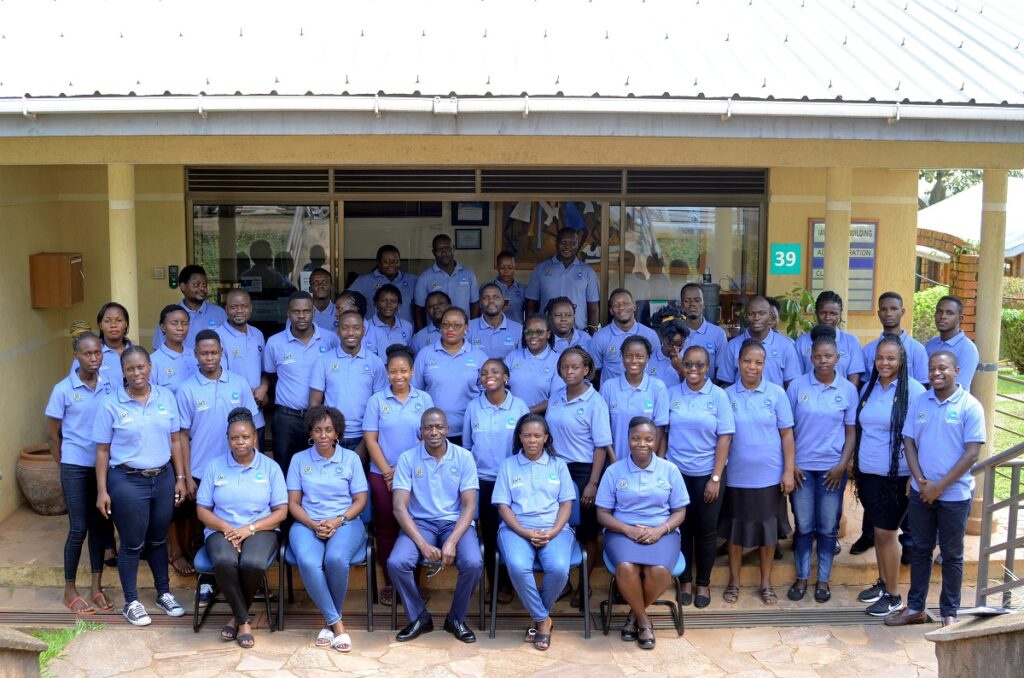
Community Studies
The section works with a fully functional Community Advisory Board (CAB), peer guides and research literate Village Health Teams (VHTs) to ensure among others that;
The CAB comprises of 15-members who include health educators, lawyers, school teachers, people living with HIV/AIDS, study participants, youths, journalists, representatives from the religious organizations and parliamentarians. The CAB also plays a role in linking the research teams to communities, helps develop and implement culturally relevant, accommodative research information materials and messages.
The VHTs help mobilize community members for ongoing research, program outreaches and community awareness events. VHTs have been trained in research mobilization and sensitization.
The program has a network of peer guides and leaders that help encourage and invite potential study participants within peer groups, like the adolescents, youth, sex workers.
Epidemiological, social-behavioral research section
This conducts research to prepare fishing communities for future efficacy trials and to understand communities’ health challenges. The section helps inform the design of health interventions programming. Through the section’s research activities in collaboration with other research partners, ministry of health recognized fishing communities among the heightened HIV risk environments (most at risk populations). As a result, HIV test and treat was rolled out to fishing communities prior to its being rolled out to the whole of Uganda.
Broad support for research by a wide range of key stakeholders from inception of the ideas, protocol development, implementation and communication of research findings based on GPP (Good Participatory Practices) principles is archived.
Our Roles
Identifying research opportunities: Identifying research opportunities for epidemiological, social-behavioral sciences while developing practical solutions to communities’ problems.
Designing & implementing Research: Designing and implementing epidemiological, social-behavioral sciences research across communities along Lake Victoria.
Development of community engagement strategies : Contributing to the development of community engagement strategies in accordance with GPP guidelines to ensure ethical and compassionate treatment of community members and maximize their support and involvement in UVRI-IAVI activities
Liaison & engagement with stakeholders: Carrying out on going liaison and engagement with stakeholders to ensure active involvement and a asupportive environment for current and future research.
Community capacity building for research: Communities capacity building for research literacy and HIV prevention. Over the years the department has created a strong presence in fishing communities along Lake Victoria, through training VHTs, peer guides, peer leaders on the importance of research for improving communities’ health and HIV prevention
Community Advocacy: Advocating for increased service delivery and HIV prevention among hard to reach fishing communities by engaging decision and policy makers including community leaders, district local governments, civil society organization chairpersons, ministry of health, parliamentarians, etc.